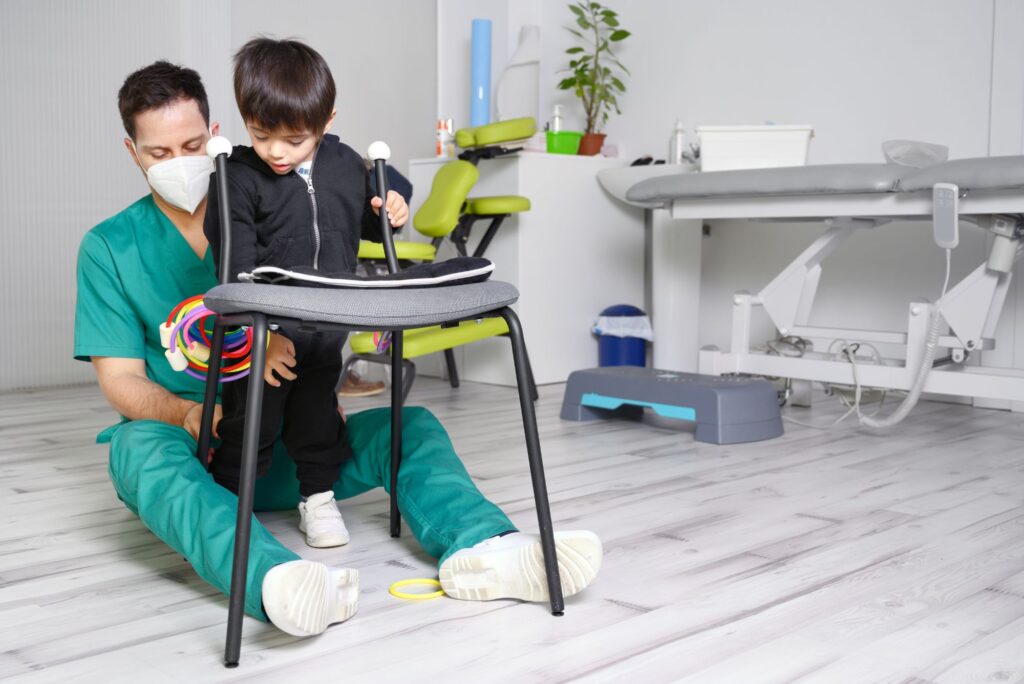
Autism affects communication, social interaction, and behavior. Early therapeutic intervention helps improve developmental skills, sensory processing, communication abilities, independence, and overall participation in daily activities.
Down Syndrome
Down Syndrome is a genetic condition affecting physical and cognitive development. Therapy focuses on enhancing motor skills, communication, independence, learning abilities, and overall functional development.
Cerebral Palsy
Cerebral Palsy affects movement, posture, and muscle coordination. Specialized rehabilitation helps improve mobility, balance, strength, functional independence, and participation in everyday activities.
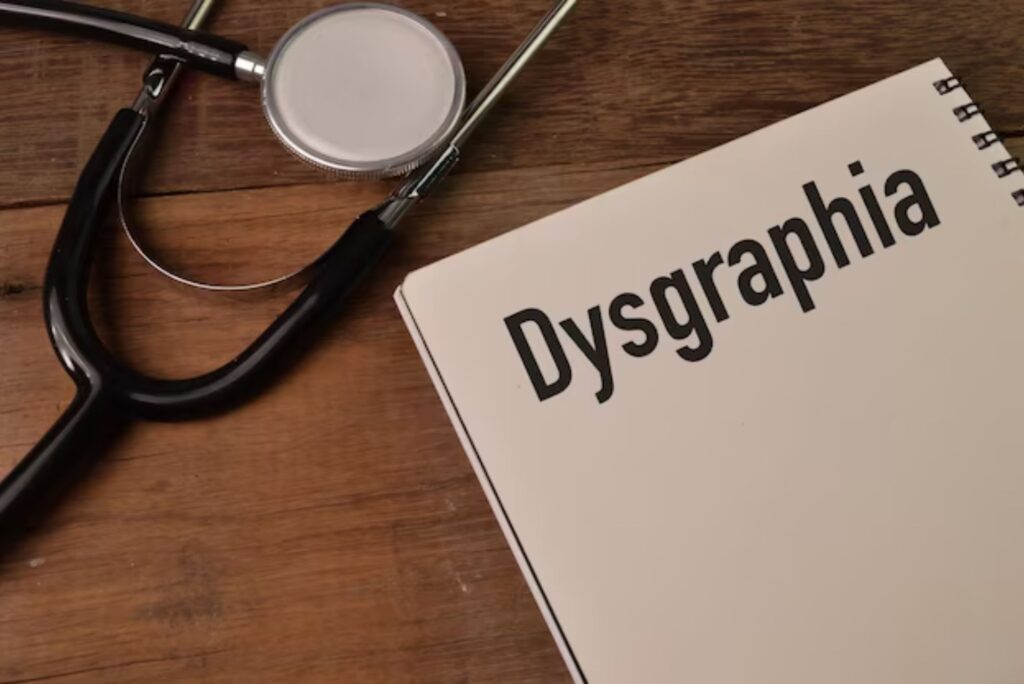
Dysgraphia
Dysgraphia is a learning difficulty affecting handwriting and written expression. Targeted therapy improves fine motor coordination, hand control, writing skills, and academic performance.
Birth Injury / Birth Defect
Developmental challenges resulting from birth-related conditions may affect growth and function. Early intervention therapies support physical development, sensory integration, motor skills, and independence.
Sensory Processing Disorder
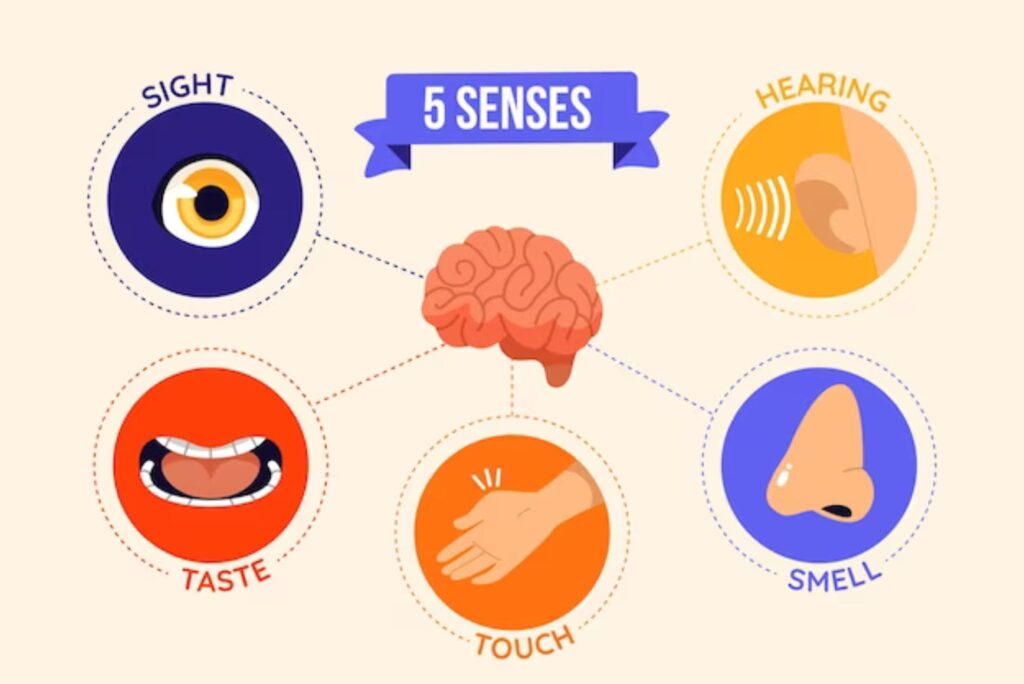
Sensory Processing Disorder affects how the brain interprets sensory information. Therapy helps individuals regulate responses, improve attention, enhance coordination, and participate confidently in daily activities.
Asperger’s Syndrome
Asperger’s Syndrome affects social communication and behavioral patterns. Structured interventions help improve social interaction, emotional regulation, communication skills, confidence, and everyday functioning.
Developmental Coordination Disorder
Dyspraxia affects motor planning, coordination, and movement execution. Therapy focuses on improving balance, motor skills, confidence, independence, and successful participation in daily activities.
Learning Difficulties
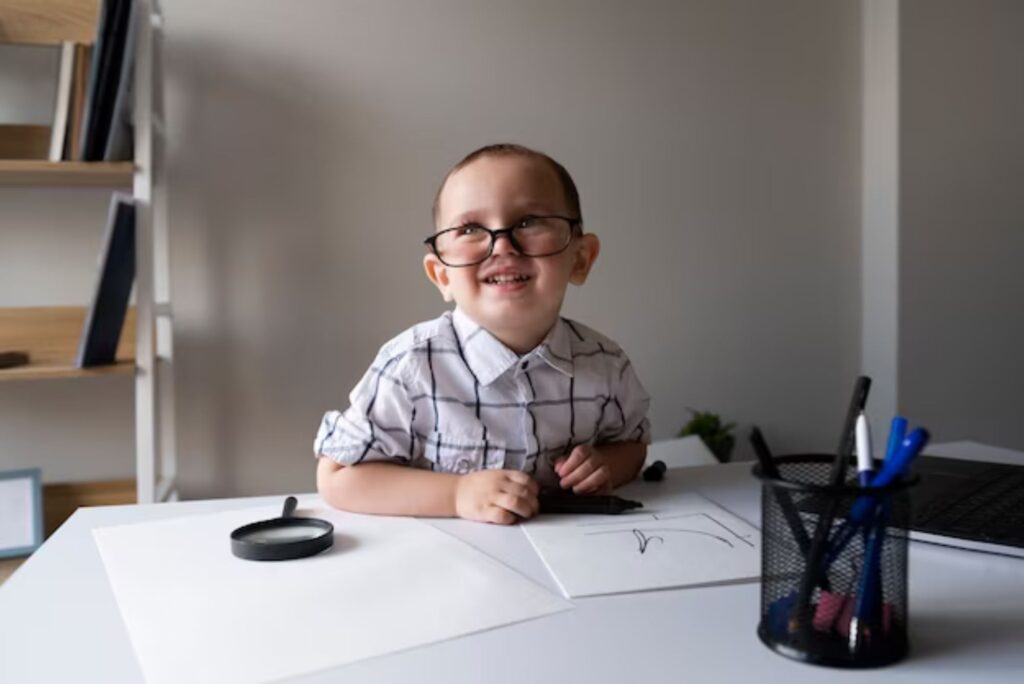
Learning difficulties can impact academic performance and information processing. Individualized therapeutic approaches strengthen cognitive abilities, attention, organizational skills, confidence, and overall educational development.
Neurological Disorders
Neurological disorders affect the nervous system, movement, and function. Comprehensive rehabilitation enhances mobility, coordination, independence, physical performance, and quality of life.
Stroke
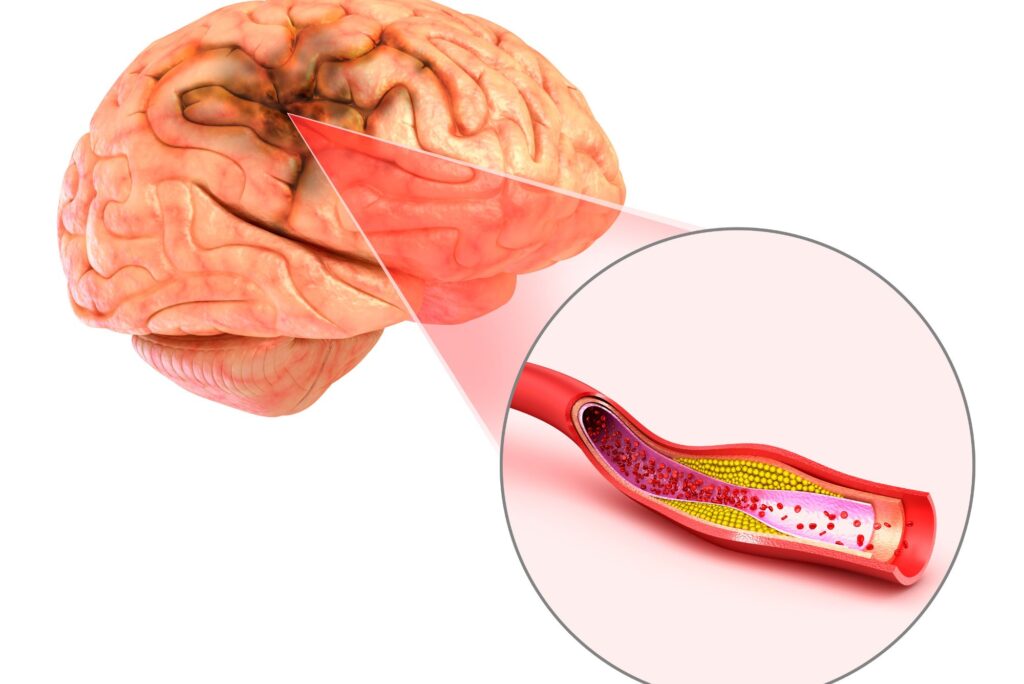
Stroke can affect movement, speech, balance, and daily functioning. Rehabilitation focuses on restoring independence, improving mobility, enhancing coordination, and maximizing recovery potential.
Low Backache
Low backache is a common condition affecting mobility and comfort. Physiotherapy helps reduce pain, improve posture, strengthen muscles, and restore functional movement.
Post Replacement Rehabilitation
Post replacement rehabilitation supports recovery following joint replacement surgery. Therapy improves strength, mobility, flexibility, balance, and functional independence for long-term success.
Post Fracture Rehabilitation
Post fracture rehabilitation focuses on restoring movement, strength, and function after bone healing. Structured therapy promotes safe recovery and improved physical performance.
Sprain / Strain
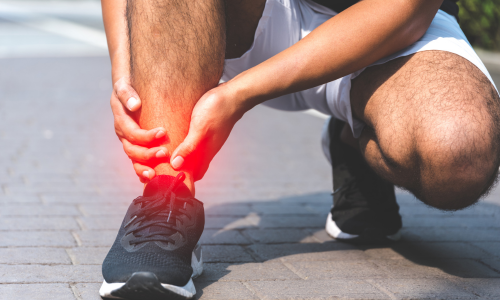
Sprains and strains affect ligaments, muscles, and tendons. Rehabilitation helps reduce pain, restore mobility, improve strength, and prevent future injuries effectively.
Tennis Elbow
Tennis Elbow causes pain and tenderness around the elbow joint. Targeted physiotherapy reduces discomfort, improves strength, restores function, and supports long-term recovery.
Osteoarthritis Knee
Knee osteoarthritis causes joint pain, stiffness, and reduced mobility. Therapy helps improve movement, strengthen supporting muscles, reduce discomfort, and enhance quality of life.
Frozen Shoulder
Frozen Shoulder restricts shoulder movement and causes persistent pain. Specialized physiotherapy improves flexibility, restores range of motion, reduces discomfort, and promotes functional recovery.