
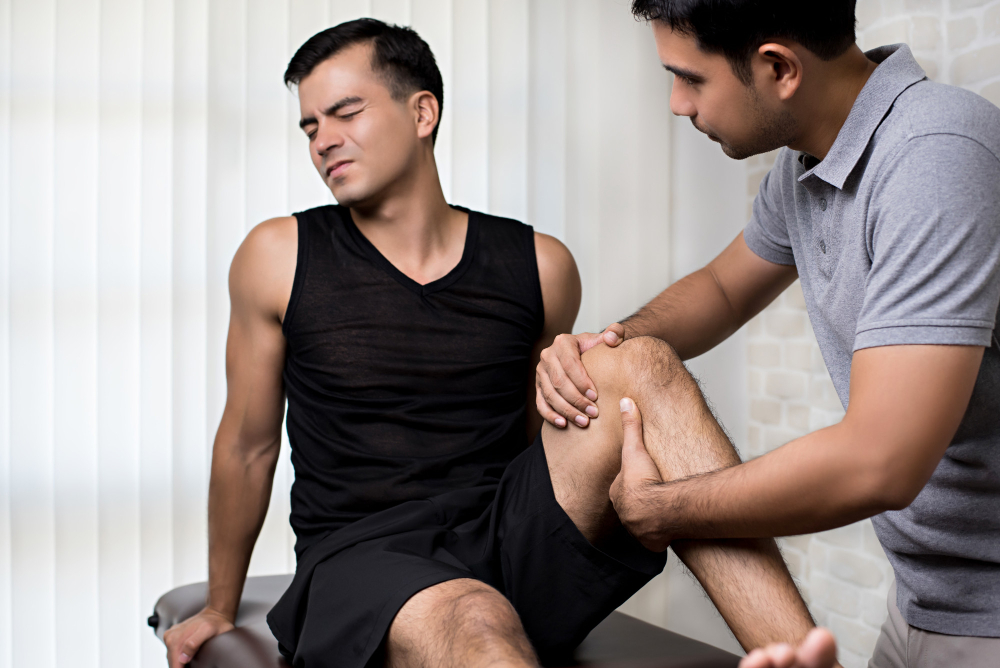
What Is an ACL Tear?
The anterior cruciate ligament (ACL) is a strong band inside your knee. It helps keep your knee stable. An ACL tear happens when this ligament gets stretched or torn. Often, this injury occurs during sports or sudden movements. For many people, physiotherapy for ACL tear is a key part of recovery. Early treatment can help you heal faster and avoid long-term knee problems.
Common Symptoms of an ACL Tear
Recognizing the signs of an ACL tear is important. If you notice these symptoms, you should seek help:
Sometimes, symptoms may seem mild at first. However, they can get worse if you keep using your knee.
How Are ACL Tears Diagnosed?
Doctors use several steps to diagnose an ACL tear. First, they ask about your injury and symptoms. Next, they check your knee for swelling, tenderness, and movement. Often, they use special tests to see if your knee is stable. In many cases, an MRI scan is needed. This scan shows the inside of your knee and confirms if the ACL is torn. X-rays may also be used to rule out broken bones.
The Role of Physiotherapy in ACL Tear Recovery
Physiotherapy for ACL tear is very important. It helps you regain strength, movement, and balance. In some cases, physiotherapy alone can help you recover without surgery. Even after surgery, rehab is needed for a full recovery. With the right exercises and guidance, you can return to your normal activities safely. According to the American Academy of Orthopaedic Surgeons, rehab is key for good long-term results.
Key Physiotherapy Exercises and Rehab Strategies
Physiotherapists use many methods to help you heal. Here are some common ACL tear rehab exercises and strategies:
For example, you may start with gentle leg lifts and progress to squats or step-ups. Always follow your physiotherapist’s advice to avoid injury.
Tips for Safe Recovery and Preventing Re-Injury
Recovering from an ACL tear takes time and patience. However, you can speed up healing and lower your risk of re-injury by following these tips:
Additionally, visiting physiotherapy clinics near you can help you stay on track with your recovery.
When to Consult a Physiotherapist or Specialist
If you suspect an ACL tear, you should see a doctor or physiotherapist right away. Early treatment can prevent further damage. You should also consult a specialist if:
For the best results, choose a qualified physiotherapist with experience in ACL tear physiotherapy treatment.
Conclusion
In summary, physiotherapy for ACL tear is vital for healing and safe return to activity. Early diagnosis, proper rehab, and expert guidance help you recover well. Consult Dr. Swati Sharma for personalized ACL tear recovery guidance.