
Introduction
Many people have heard of flat feet, but few know about the link between flat feet and knee pain. If you have both, you are not alone. Understanding this connection can help you find relief and prevent future problems. In the United States, millions live with flat feet. Yet, many do not realize it can lead to knee pain. Knowing the signs and causes can make a big difference in your daily comfort.
What Are Flat Feet?
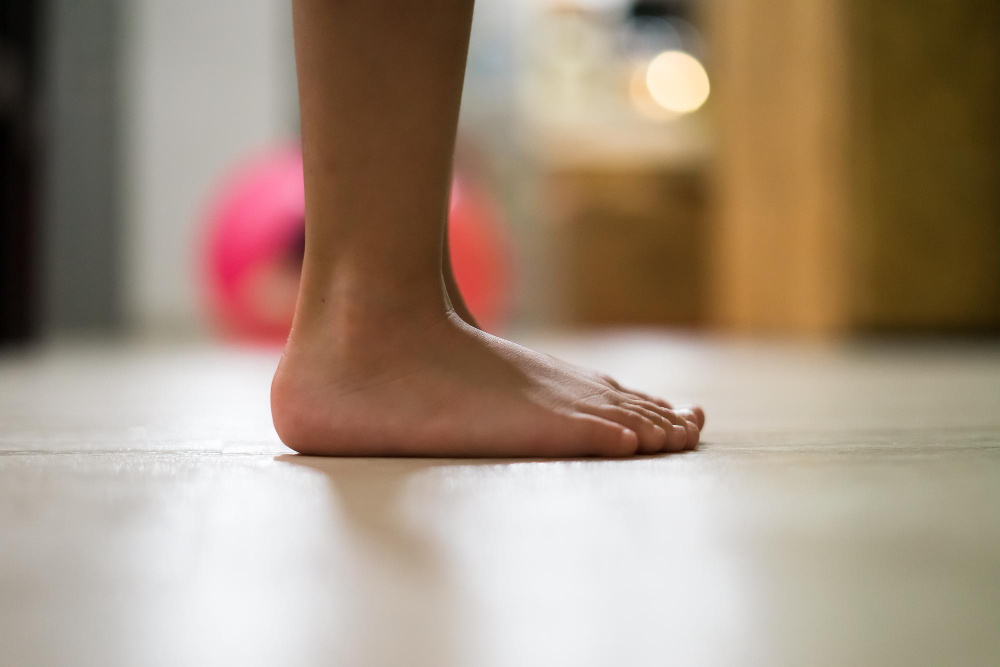
Flat feet, also called fallen arches, happen when the arches of your feet are low or missing. Normally, the arch helps support your body and absorb shock. However, with flat feet, the entire sole touches the ground. This can change the way you walk. For some, flat feet are present from birth. Others may develop them over time due to injury, aging, or health conditions.
Common Symptoms of Flat Feet
Flat feet can cause a range of symptoms. Sometimes, you may not notice any problems. But often, people experience discomfort. For example, you might feel pain after standing or walking for long periods. Other symptoms include:
Additionally, some people notice their feet roll inward when walking. This is called overpronation.
How Flat Feet Can Cause Knee Pain
Flat feet can affect more than just your feet. Because your arches are low, your feet may roll inward. As a result, this changes the way your legs move. Over time, this can put extra stress on your knees. The knee joint may twist or move out of line. This can lead to pain, swelling, or even injury. In fact, orthopedic causes of knee pain often include foot problems like flat feet.
For example, if your feet do not support your body well, your knees work harder. This can wear down the cartilage in your knees. Eventually, you may develop conditions like patellofemoral pain syndrome or early arthritis.
Recognizing the Hidden Connection
Many people do not realize their knee pain is linked to their feet. However, if you have both flat feet and knee pain, the two may be connected. For instance, you may notice knee pain after long walks or standing. Or, you might see that your shoes wear out unevenly. If you have tried treating knee pain with little success, it may be time to look at your feet.
Moreover, doctors now recognize the flat feet knee pain connection more often. Studies in orthopedic journals support this link. So, it is important to consider both when seeking relief.
Diagnosis: When to See a Doctor
Sometimes, flat feet do not cause problems. But if you have pain in your feet or knees, it is wise to see a doctor. Early diagnosis can prevent further damage. You should seek help if you notice:
During your visit, the doctor may check your feet and watch how you walk. Sometimes, they may order X-rays or other tests. This helps find the cause and plan the best treatment.
Treatment Options for Flat Feet and Knee Pain
Treatment for flat feet-related knee pain depends on your symptoms. Many people find relief with simple steps. For example, your doctor may suggest:
In rare cases, surgery may be needed. However, most people improve with non-surgical care. The CDC and orthopedic experts recommend early treatment for the best results.
Lifestyle Tips and Prevention
Even if you have flat feet, you can take steps to prevent knee pain. For instance, you can:
Additionally, listen to your body. If you feel pain, take breaks and rest. Early action can stop small problems from getting worse.
Frequently Asked Questions (FAQ)
In summary, flat feet and knee pain are often linked. Recognizing the connection can help you find the right treatment. Consult a specialist Dr. Swati Sharma for personalized advice on flat feet and knee pain.